In today’s fast-paced financial world, understanding how to navigate the complexities of trading is crucial. Many traders are drawn to the allure of precious metals, particularly for their potential to yield high profits. However, without a solid foundation, this can lead to significant risks.
To develop an effective trading system, one must grasp the intricacies of the market and the factors that influence price movements. This includes not only technical analysis but also a keen awareness of market conditions. By employing reliable trading signals, traders can enhance their decision-making process and identify profitable opportunities.
Moreover, incorporating robust risk management techniques is essential. This helps protect capital from unexpected market volatility. Whether a novice or an experienced trader, integrating disciplined approaches with sound analysis can pave the way for success in the dynamic world of trading.
Understanding the Fundamentals of Gold Signal Strategy
To excel in trading, one must first understand the basic principles that govern market movements. A gold trading signal acts as a trade alert, guiding traders on when to buy or sell at specific prices. This can open doors to potential profit opportunities.
However, it is crucial to recognize that a trading signal is not a guarantee of success. Instead, it serves as a valuable tool to aid in informed decision-making. The dynamics of the gold market are influenced by various factors, and a successful approach must consider these elements.
- A gold trading signal provides a professional recommendation, helping traders identify profitable moments.
- Successful traders know that these signals are tools, not certainties.
- Clear entry and exit points allow for better navigation of the gold market.
- Analyzing price action and support levels validates the signals received.
- Strategies should align with individual risk tolerance while utilizing expert insights.
Developing a Robust Gold Trading System

A solid grasp of trading fundamentals is key to thriving in the complex world of financial markets. A successful trading system incorporates essential elements that guide traders in making informed decisions.
Establishing clear entry and exit points is vital. This ensures that each trade has a defined purpose, reducing uncertainty. Traders should:
- Use platforms like MetaTrader 4 to execute trades based on signal recommendations.
- Cross-reference signals with personal technical analysis for validation.
- Utilize indicators such as moving averages to identify market trends.
- Document trades in a journal to learn from past decisions.
- Combine tools to ensure a disciplined approach for long-term growth.
By integrating these components, traders can minimize the impact of market volatility and enhance their overall trading experience.
Incorporating Risk Management into Your Trading Plan

Effective risk management is essential for traders looking to safeguard their investments in fluctuating markets. It serves as the backbone of a successful trading plan, especially in the volatile world of precious metals.
To begin, traders should establish capital allocation guidelines. A common rule is to risk no more than 1-2% of your account on any one trade. This strategy helps protect against significant losses during unpredictable market conditions.
Next, implementing stop-loss and take-profit levels is crucial. A stop-loss order automatically closes a trade when the price reaches a predetermined level. This removes the emotional aspect of trading, allowing for consistent execution of your plan.
Additionally, regular reviews of your risk management settings ensure they align with your current account size and trading objectives. A disciplined approach to risk management not only preserves capital but also enhances overall trading performance.
Analyzing Market Conditions and Influences

Traders must remain vigilant in observing market conditions to effectively capitalize on price movements. Understanding these conditions is crucial for identifying trends and key price levels that influence the gold market.
To make informed decisions, traders should:
- Monitor news releases that could impact market sentiment and verify the accuracy of the signals received.
- Identify support and resistance levels to gauge the strength of a trend, which aids in making better trading decisions.
- Recognize the negative correlation between gold and the USD, a critical factor in market analysis.
- Watch for trend reversals near key levels, increasing the probability of successful trades with lower risk.
- Conduct consistent analysis of the gold market to stay ahead of sentiment shifts, ensuring strategies remain effective.
- Utilize various tools to track market conditions, preparing for potential changes in price direction.
Leveraging Technical Indicators for Signal Accuracy
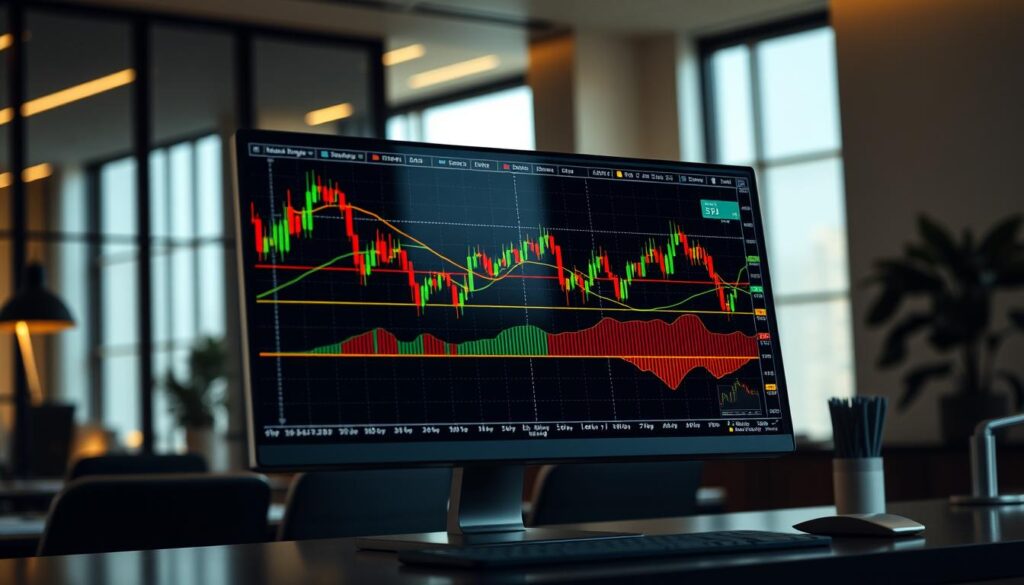
Understanding the role of technical indicators is essential for traders aiming to enhance their trading outcomes. These tools provide valuable insights into market behavior, helping traders make informed decisions.
One of the most effective indicators is the Relative Strength Index (RSI). This tool, when combined with support and resistance zones, helps identify high-probability trade setups in the forex market.
Additionally, Bollinger Bands and oscillators are crucial for assessing market volatility. They allow traders to pinpoint potential overbought or oversold conditions, which can indicate favorable trading opportunities.
Utilizing moving averages smooths out price data, enabling traders to visualize long-term trends and avoid false signals. Professional traders often combine multiple indicators to confirm their analysis before executing trades.
By regularly testing these technical indicators against historical data, traders can refine their approach. This ongoing evaluation improves the reliability of their signals and strengthens their overall trading strategy.
Evaluating and Confirming Gold Trading Signals

Confirming trading signals through careful analysis is a vital step for any trader aiming for consistent success. This involves a thorough examination of charts across multiple time frames, such as hourly, daily, and weekly views. By doing so, traders can better identify the strength of trends and avoid false breakouts that could lead to unnecessary losses.
Additionally, traders can validate signals by engaging with expert communities or utilizing reputable gold trading signals websites. These platforms can provide valuable insights into overall market sentiment, enhancing decision-making.
When a buy or sell signal is received, it is crucial to cross-reference it with personal technical analysis and current news events. Expert platforms often offer context for their signals, helping traders understand the rationale behind each recommendation.
By confirming signals through social media and professional channels, traders can gain a second opinion that improves their trading decisions. Consistent evaluation of signal sources ensures actions are based on high-quality information that aligns with individual trading strategies.
Integrating Gold Forex Signals for a Competitive Edge

Understanding the interplay between forex and precious metals is vital for traders seeking to enhance their market performance. The relationship between these two markets can significantly influence trading outcomes. When traders receive a buy or sell signal for gold, it is essential to assess the current market condition of the USD.
By integrating forex signals into their trading routine, traders can:
- Capitalize on the negative correlation between gold and the USD, improving trading decisions.
- Maximize returns while effectively managing risk by understanding forex dynamics.
- Confirm potential trade directions when analyzing signals for XAU/USD.
- Build sophisticated strategies that consider broader market movements.
- Anticipate price shifts by staying informed about the relationship between these assets.
- Access reliable forex signals through dedicated platforms to navigate complex market conditions.
- Support trading decisions with a comprehensive understanding of asset interactions.
Selecting a Trustworthy Gold Signal Strategy Provider
Selecting a reputable provider for trading signals is essential for achieving consistent results. A reliable provider can guide traders in making informed decisions, ultimately enhancing their trading experience.
When evaluating potential providers, consider the following:
- Experience: Look for companies like Carlos and the team, who have over 10 years of experience in providing XAU/USD signals.
- Transparency: A trustworthy provider will clearly explain their methodology, including the indicators they use and their approach to risk management.
- Track Record: Assess the historical performance of the signal provider to ensure it aligns with your expectations for consistent trading results.
- Customer Support: Reliable platforms offer excellent support, ensuring you can reach them if you have questions or encounter issues with your trades.
- Clarity of Strategy: Be wary of providers who are vague about their strategy; a professional service will provide logical reasons for every trade recommendation.
- Testimonials: Reviewing testimonials and independent reviews can help identify a platform that is both reliable and committed to the success of its traders.
- Long-Term Growth: A good provider prioritizes your growth by offering signals backed by thorough analysis and sound market conditions.
Optimizing Your Trading Approach with Adaptive Strategies
Success in trading hinges on the ability to adjust strategies in response to market fluctuations. Traders can optimize their trading approach by fine-tuning the accuracy of their signals. This involves learning from past market volatility and analyzing historical data.
Adaptive strategies enable traders to modify their responses to changing market conditions. This ensures that their trading methods remain effective over time. By reviewing previous trades, they can identify patterns and enhance their system’s responsiveness to new opportunities.
Utilizing moving averages and other technical tools keeps traders aligned with current trends, even during sudden price swings. A professional trader continuously learns from experiences, refining their approach to minimize the impact of market volatility.
Moreover, fine-tuning signal settings based on historical performance is proactive. Regularly updating strategies prepares traders for the evolving nature of the market, ultimately enhancing their chances of success.
Final Thoughts on Building a Successful Gold Signal System
Achieving success in trading requires a harmonious blend of analysis, risk management, and effective use of trading signals. Building a successful system involves understanding the relationship between XAU/USD and the broader forex market. This knowledge empowers traders to make informed decisions that safeguard their capital.
It is essential to remember that no signal is a magic bullet. Your success relies on your ability to integrate these tools into a coherent and professional approach. Always prioritize learning and continuous improvement, as the market is dynamic and demands constant vigilance.
With the right mindset and commitment to excellence, traders can leverage signals to achieve their long-term financial goals. Stay focused on your risk management plan, and let not the excitement of the market distract you from the fundamentals of successful trading.
Related Articles To Gold Trading Online